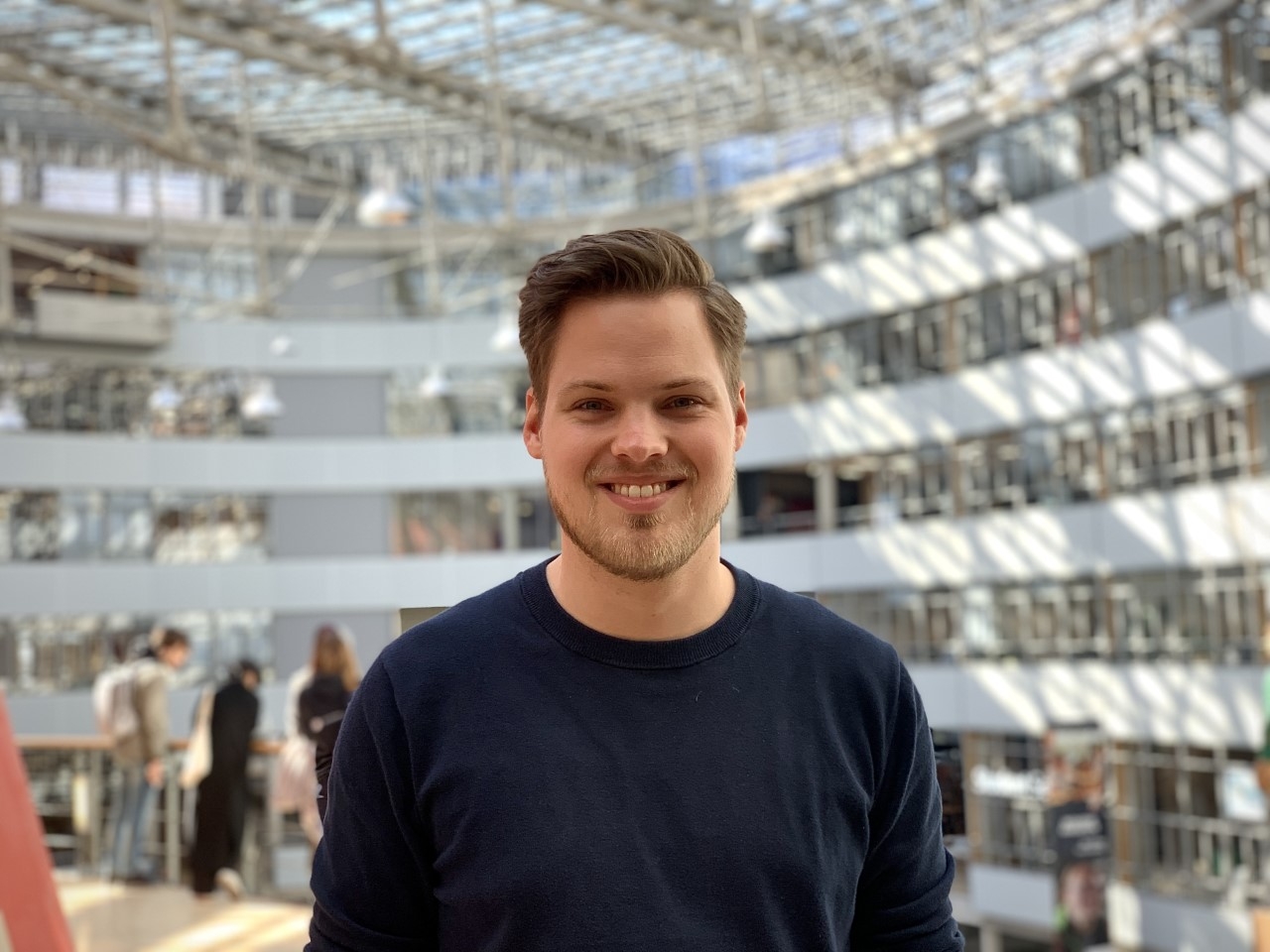

There is therefore little understanding of how these regional activities actually work, and how they contribute to the EU's legitimacy. This is the blind spot that European Impact researcher Gijs Giesen aims to address in his PhD research as an external doctoral candidate at Radboud University.
The role of the regions
In Brussels, it's not only ministers and Members of the European Parliament who are active. Provinces, regions, and municipalities also engage with the European Commission to bring local interests to the table. Yet most theories on the EU's legitimacy focus almost entirely on member states and national politicians.
Gijs sees a clear gap between theory and practice. When regions contribute to discussions, draft input, and implement EU policies, this shapes how citizens experience the EU. Do people feel better represented? Does policy become more understandable? And does EU legislation better reflect what is needed locally?
Interested in contributing?
Gijs welcomes ideas from practice. Do you work in regional representation or with EU policy at a decentralised level? Do you have insights to share, or would you like to exchange thoughts? Feel free to get in touch via g.g.giesen@hhs.nl.